In an era where consumer behavior changes at lightning speed, traditional methods of predicting these behaviors are quickly becoming obsolete. The intricate dynamics of the market, influenced by generational shifts and rapid technological advancements, demand a more sophisticated approach to understanding consumer preferences. This article delves into how traditional market segmentation, financial metrics, and trend analysis no longer suffice in the face of evolving consumer demands.
Cultivating Wise Compassion Leadership: A Necessity in Modern Leadership
Cultivating Wise Compassion Leadership: A Necessity in Modern Leadership


Grant Ian Gamble is a best-selling mindful leadership author and speaker. He has over 30 years of experience in leading teams to create innovative customer experiences, building engaged workforces, and developing leaders who prioritize mindfulness in their approach.
I have been pondering on an article I recently came across in the Harvard Business Review, “Compassionate Leadership Is Necessary — but Not Sufficient,” written by Rasmus Hougaard, Jacqueline Carter, and Nick Hobson. I thought it could be of great interest to you as well.
As we navigate through turbulent times, the importance of compassionate leadership is more pronounced than ever. Yet, the authors reveal through their research that compassion on its own is not sufficient for effective leadership. Compassion must be paired with wisdom.
When examining more than 5,000 companies across nearly 100 countries, it was found that there is a strong correlation between the practice of “wise compassion” in leadership and promotability. In fact, leaders who regularly demonstrated both compassion and wisdom were found to rise faster and higher in the ranks than those who did not.
What does this look like in practice?
Compassionate leaders harbor positive intentions and genuine concern for others. This can forge stronger connections, foster trust, and boost loyalty. However, leadership is not just about being nice. It also involves making tough decisions, providing critical feedback, and sometimes disappointing people. Hence, wisdom, which encapsulates leadership competence and a deep understanding of managing people and priorities, is paramount. Striking a balance between compassion and wisdom is what creates a ‘wise compassionate leader.’
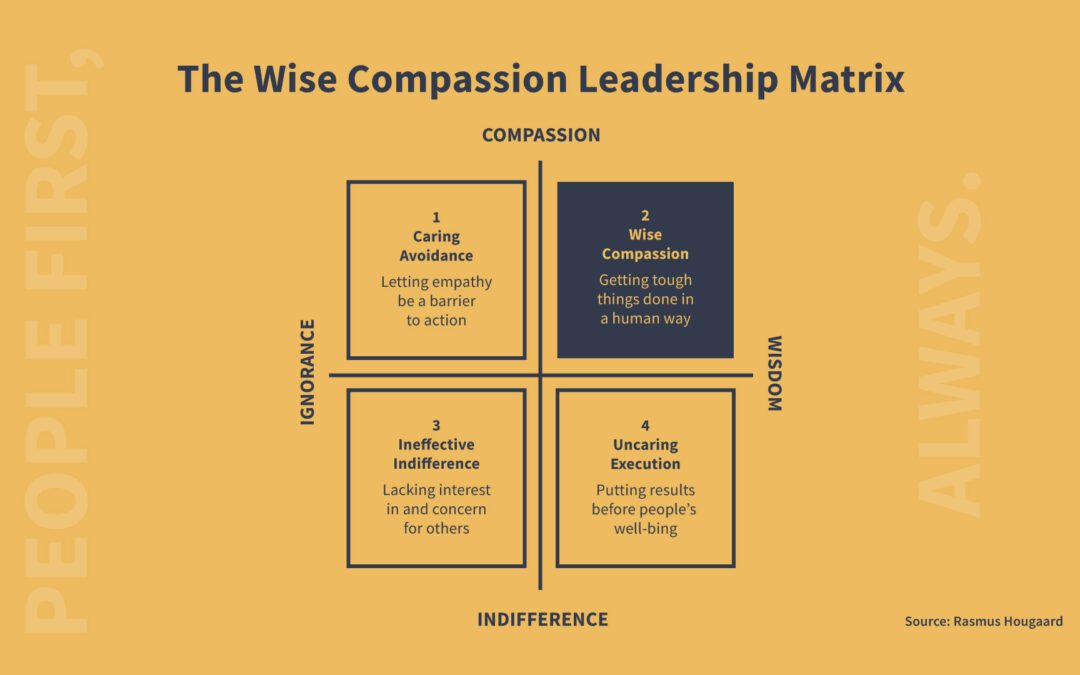
The authors have categorized leadership styles into four quadrants, with the second quadrant representing ‘wise compassion’. Leaders in this category effectively balance the concern for their people with the need to drive their organizations forward productively. They take tough actions when needed, but they do it with genuine care for people’s feelings and well-being.
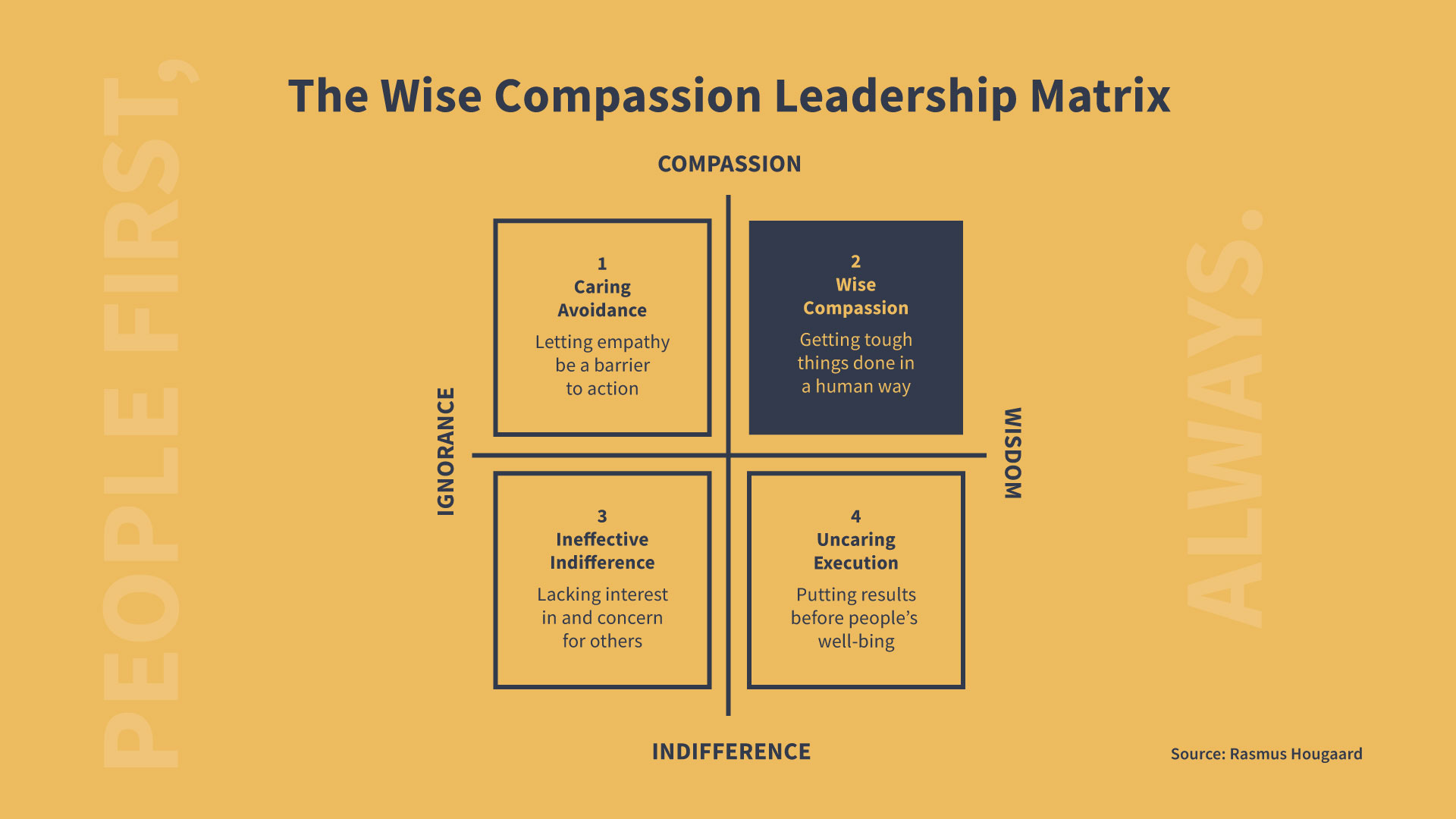
Research involving over 15,000 leaders across nearly 100 countries reveals a strong correlation between higher levels of wise compassion and promotability. In essence, practicing wise compassion not only benefits others but also significantly enhances one’s leadership trajectory.
But how can one cultivate wise compassion?
Mindfulness routine is one proven method. Leaders who practice mindfulness regularly display increased self-awareness and an enhanced understanding of others’ behaviors and emotions. They are more intentional in integrating wisdom and compassion in their leadership style.
- For those who have ample wisdom but need to bolster their compassion, the authors suggest:
- Practicing self-compassion
- Regularly checking your intentions
- Adopting a daily compassion practice
- Alternatively, if you have a strong compassion quotient but seek to increase your wisdom, consider:
- Practicing candid transparency
- Engaging in at least one daily direct interaction
- Adopting a daily mindfulness training
In the face of continued challenges, a mindset of wise compassion is the most effective and humane way to support people. It allows us to make the tough calls in a human-centered manner.
I encourage you to explore how you can apply these principles in your leadership journey. Remember, we rise by lifting others and doing so in the wisest way possible makes the journey all the more rewarding.
Research shows that organizations with compassionate leaders experience lower levels of team member turnover. According to a 2020 study from Gallup, companies that scored in the top quartile on compassion had 37% lower absenteeism, 41% fewer safety incidents, and 59% less turnover. This underscores the importance of compassion in leadership for overall organizational health.
AFFINITY Podcast Episode 13 | The State of Organizations 2023: 10 Shifts Transforming Organizations



AFFINITY Podcast

Put PEOPLE FIRST, ALWAYS and watch your business flourish.
Dive deep into the latest trends in customer experience and team engagement, mindful leadership and management. Discover practical tools and strategies that you can use to build a people-centric culture, the foundation for sustainable long-term business growth and success.
Led by mindful leadership expert, Grant Ian Gamble, a best-selling author and true visionary with over 30 years of experience in leading teams to create innovative customer experiences, building engaged, inspired and fulfilled workforces, and developing leaders who prioritize genuine connection in their approach.
The guiding principle behind all of Grant’s work is PEOPLE FIRST, ALWAYS.
More Articles:

6 Traditional Predictors of Consumer Behavior Rendered Obsolete
read more

Understanding the 8 Key Trends Driving Consumer Behavior Change
The acceleration of consumer behavior change has been documented through various data points and trends, reflecting the rapid evolution of preferences, technology adoption, and market dynamics. Some key data points and trends illustrating this acceleration include:

Sustainable Growth Strategies
In today’s fast-evolving digital landscape, fitness businesses face unique challenges and opportunities. Sustainable growth, a concept at the heart of every successful enterprise, requires more than just a good business plan; it demands a strategy that evolves with time and technology. Here, I explore effective strategies for fitness businesses looking to achieve sustainable growth in the digital age.
Fill out the form below and receive a PDF download of "6 Key Strategies to Engage Untapped Fitness and Wellness Market Segments"
Let's Connect!
CUSTOMER EXPERIENCE, TEAM ENGAGEMENT & WORKPLACE WELL-BEING: AFFINITY OS™ | WELLNESS INTEGRATION | MINDFUL LEADERSHIP: "THE AFFINITY PRINCIPLE"
0475 866 592
The Affinity Principle™ by Grant Gamble presents a formula for business success through a people-centric, mindful leadership approach.
PEOPLE FIRST, ALWAYS.






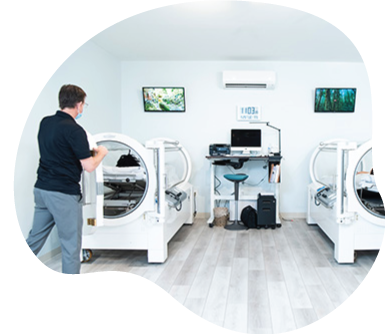 Hyperbaric oxygen therapy (HBOT) is a medical treatment that involves breathing pure oxygen in a pressurized room or chamber. By increasing the atmospheric pressure, HBOT allows the body to absorb higher levels of oxygen, which can then be transported by the bloodstream to various tissues and organs. The benefits of hyperbaric oxygen therapy include accelerated wound healing, reduced inflammation, enhanced immune function, and improved neurological function. When integrated into a recovery practice, HBOT can support the effectiveness of various recovery modalities by promoting tissue repair, reducing inflammation, and enhancing overall cellular function. By incorporating hyperbaric oxygen therapy into their recovery routine, individuals can experience faster recovery times, improved athletic performance, and increased resilience to stress and injury. Through this non-invasive and scientifically-backed approach, hyperbaric oxygen therapy offers a powerful means of supporting overall health, well-being, and recovery.
 Cryotherapy is a cutting-edge wellness technology that utilizes extremely low temperatures to promote overall health and well-being. By exposing the body to temperatures as low as -150°C, cryotherapy can stimulate the body’s natural healing processes, reduce inflammation, and promote the release of endorphins, which can help alleviate pain and enhance mood. The benefits of cryotherapy include improved muscle recovery, reduced muscle soreness, enhanced athletic performance, and relief from chronic pain. When integrated into a recovery practice, cryotherapy can support the effectiveness of various recovery modalities by reducing inflammation, promoting tissue repair, and accelerating the body’s natural healing processes. By incorporating cryotherapy sessions into their recovery routine, individuals can experience faster recovery times, improved athletic performance, and increased resilience to stress and injury. Through this invigorating and stimulating approach, cryotherapy offers a powerful means of supporting overall health, well-being, and recovery.
 HOCATT (Hyperthermic Ozone and Carbonic Acid Transdermal Technology) is a cutting-edge wellness technology that combines multiple therapies into a single, immersive experience. By incorporating ozone therapy, carbonic acid therapy, far infrared sauna, electrotherapy, and other modalities, HOCATT provides a comprehensive approach to health and recovery. The benefits of HOCATT include detoxification, improved circulation, enhanced immune function, and increased energy levels. When integrated into a recovery practice, HOCATT can significantly support the
 Pulsed Electromagnetic Field (PEMF) therapy is a non-invasive and drug-free treatment that utilizes electromagnetic fields to stimulate the body’s natural healing processes at the cellular level. By exposing the body to low-frequency electromagnetic waves, PEMF therapy can enhance cellular energy production, improve blood circulation, and promote the repair and regeneration of damaged tissues. The benefits of PEMF therapy include reduced inflammation, accelerated wound healing, relief from chronic pain, and improved overall well-being. When integrated into a recovery practice, PEMF therapy can support the effectiveness of various recovery modalities by promoting tissue repair, reducing inflammation, and enhancing overall cellular function. By incorporating PEMF therapy into their recovery routine, individuals can experience faster recovery times, improved athletic performance, and increased resilience to stress and injury. Through this non-invasive and scientifically-backed approach, PEMF therapy offers a powerful means of supporting overall health, well-being, and recovery.
 Far infrared saunas are an innovative wellness technology that utilizes far infrared light to gently heat the body from within, providing a therapeutic and deeply relaxing experience. Unlike traditional saunas, far infrared saunas penetrate deeper into the body’s tissues, promoting a more effective and efficient detoxification process. The benefits of far infrared sauna use include detoxification, improved circulation, enhanced immune function, and reduced muscle pain and joint stiffness. When incorporated into a recovery practice, far infrared saunas can support the effectiveness of various recovery modalities by promoting relaxation, reducing inflammation, and accelerating the body’s natural healing processes. By incorporating far infrared sauna sessions into their recovery routine, individuals can experience faster recovery times, improved athletic performance, and increased resilience to stress and injury. Through this soothing and therapeutic approach, far infrared saunas offer a powerful means of supporting overall health, well-being, and recovery.
 Red light therapy, also known as photobiomodulation, is a non-invasive and painless treatment that harnesses the power of specific wavelengths of red and near-infrared light to promote cellular function and overall well-being. By stimulating the mitochondria within cells, red light therapy enhances the production of adenosine triphosphate (ATP), the primary energy source for cellular processes, and promotes the activation of various healing and regenerative mechanisms within the body. The benefits of red light therapy include improved skin health, reduced inflammation, accelerated wound healing, and relief from muscle pain and joint discomfort. When integrated into a recovery practice, red light therapy can support the effectiveness of various recovery modalities by promoting tissue repair, reducing inflammation, and enhancing overall cellular function. By incorporating red light therapy into their recovery routine, individuals can experience faster recovery times, increased athletic performance, and greater resilience to stress and injury. Through this non-invasive and scientifically-backed approach, red light therapy offers a powerful means of supporting overall health, well-being, and recovery.
 Float therapy, also known as sensory deprivation therapy, is a unique wellness approach that involves immersing the body in a sensory deprivation tank filled with warm water and Epsom salts, creating a buoyant and weightless environment. This environment provides an opportunity for deep relaxation, meditation, and mental clarity, allowing the body to release stress and tension, while the magnesium in the Epsom salts can be absorbed by the body through the skin. The benefits of float therapy include reduced muscle tension, improved sleep quality, increased mental clarity, and relief from chronic pain. When integrated into a recovery practice, float therapy can support the effectiveness of various recovery modalities by promoting relaxation, reducing inflammation, and enhancing overall mental and physical well-being. By incorporating float therapy into their recovery routine, individuals can experience faster recovery times, improved athletic performance, and increased resilience to stress and injury. Through this calming and rejuvenating approach, float therapy offers a powerful means of supporting overall health, well-being, and recovery.
 Known for its patented Sequential Pulse Technology, NormaTec equipment, such as the popular NormaTec boots, uses dynamic compression to enhance blood flow and speed up recovery in the lower extremities. The system’s pulsing action works in synergy with the body’s natural circulatory processes, effectively mimicking the muscle pump of the legs and arms to alleviate soreness and reduce inflammation. By incorporating NormaTec equipment into their recovery routine, users can experience faster recovery times, improved athletic performance, and a reduced risk of injury.
 BrainTap is a groundbreaking technology designed to optimize brain function and promote relaxation through the use of light and sound therapy. This innovative system combines binaural beats, guided visualization, and pulsing lights to guide your brain through various states of consciousness, enabling you to achieve a deep state of relaxation, improve focus, and enhance cognitive function. The benefits of BrainTap are wide-ranging, including stress reduction, improved sleep quality, increased mental clarity, and enhanced memory. By incorporating BrainTap into your wellness routine, you can unlock the full potential of your brain, supporting optimal mental and emotional well-being.
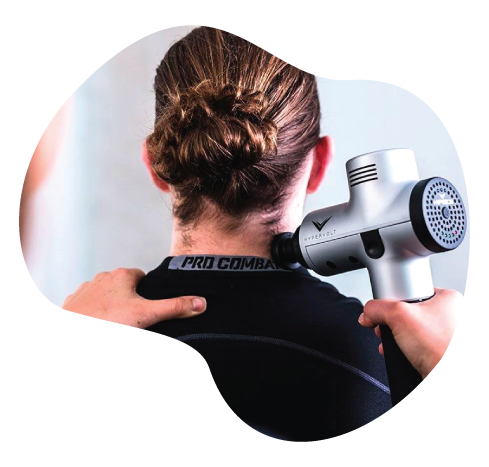 Percussion tools, such as massage guns, are innovative devices that deliver targeted, rapid pulses to your muscles, providing effective relief from muscle soreness, tension, and stiffness. These tools have gained popularity due to their numerous benefits, which include enhancing blood flow, promoting muscle recovery, and increasing range of motion. By utilizing percussion tools in your post-workout routine or as a part of your regular self-care regimen, you can effectively alleviate muscle fatigue, prevent injuries, and improve overall muscle function. These devices are portable and user-friendly, making them a valuable addition to your recovery toolkit and enabling you to maintain optimal muscle health and athletic performance.
 Integrative medicine is a comprehensive healthcare approach that combines the best of conventional and alternative therapies to address the whole person—mind, body, and spirit. By considering all aspects of an individual’s well-being, integrative medicine practitioners create personalized treatment plans that address the root causes of health issues and promote optimal wellness. The benefits of integrative medicine include a more holistic understanding of one’s health, increased patient empowerment, and the ability to access a wider range of evidence-based treatment options. When incorporated into a recovery practice, integrative medicine can greatly enhance the effectiveness of various modalities by ensuring that each individual’s unique needs and goals are taken into account. This approach can help identify and address any underlying factors that may be impeding the recovery process, such as nutritional deficiencies, stress, or emotional imbalances. By addressing these factors and providing targeted, personalized support, integrative medicine can significantly improve the recovery process and contribute to a more resilient, balanced, and healthy lifestyle. This comprehensive approach to wellness ensures that individuals are better equipped to manage life’s challenges and maintain long-term health and well-being.
 Functional medicine is a patient-centered healthcare approach that focuses on identifying and addressing the root causes of illness and dysfunction, rather than simply treating symptoms. By examining the complex interplay of genetic, environmental, and lifestyle factors, functional medicine practitioners can develop personalized treatment plans that promote optimal health and well-being. The benefits of functional medicine include a more comprehensive understanding of one’s health, a focus on prevention, and the use of targeted, evidence-based interventions. When incorporated into a recovery practice, functional medicine can greatly enhance the effectiveness of various modalities by ensuring that each individual’s unique needs and underlying health issues are taken into account. By addressing imbalances and identifying potential barriers to recovery, functional medicine can help optimize the body’s natural healing processes and support long-term wellness. This approach empowers individuals to take charge of their health by making informed choices and adopting a proactive approach to their well-being. By embracing functional medicine, individuals can achieve a more resilient, balanced, and healthy lifestyle, ultimately enhancing their recovery practice and overall quality of life.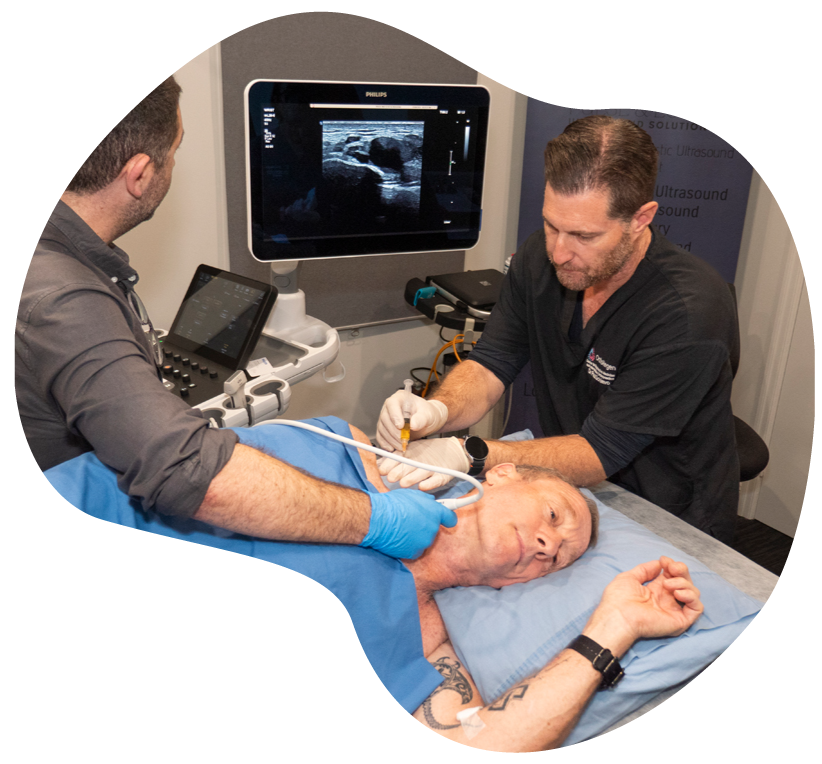
 Naturopathy is a holistic healthcare approach that emphasizes the body’s innate ability to heal itself and seeks to support this natural process through the use of natural therapies and treatments. Naturopathic practitioners focus on identifying and addressing the underlying causes of illness rather than simply treating symptoms, with the ultimate goal of promoting optimal health and well-being. By incorporating various modalities such as herbal medicine, nutrition, homeopathy, and lifestyle counseling, naturopathy offers a comprehensive and personalized approach to healthcare. The benefits of naturopathy include strengthened immune function, improved digestion, increased energy levels, enhanced mental and emotional well-being, and the prevention and management of chronic diseases. By prioritizing prevention and education, naturopathy empowers individuals to take charge of their own health, providing them with the tools and guidance needed to maintain long-term wellness and vitality.
 Nutrition counseling is an essential component of a comprehensive wellness approach, focusing on the crucial role that food plays in supporting overall health and well-being. Nutrition counselors work with individuals to assess their dietary habits, identify areas for improvement, and develop personalized nutrition plans that address their unique needs and goals. The benefits of nutrition counseling include increased energy levels, improved digestion, better weight management, and the prevention and management of chronic health conditions. When integrated into a recovery practice, nutrition counseling can significantly enhance the effectiveness of various recovery modalities by ensuring that the body receives the essential nutrients it needs to heal, regenerate, and function optimally. Proper nutrition is vital for supporting the body’s natural healing processes, reducing inflammation, and promoting muscle repair and growth. By incorporating tailored nutrition advice into their recovery routines, individuals can experience faster recovery times, improved athletic performance, and increased resilience to stress and injury. Through nutrition counseling, individuals can make informed dietary choices that support their health goals, empowering them to take charge of their well-being and achieve a balanced, vibrant lifestyle.
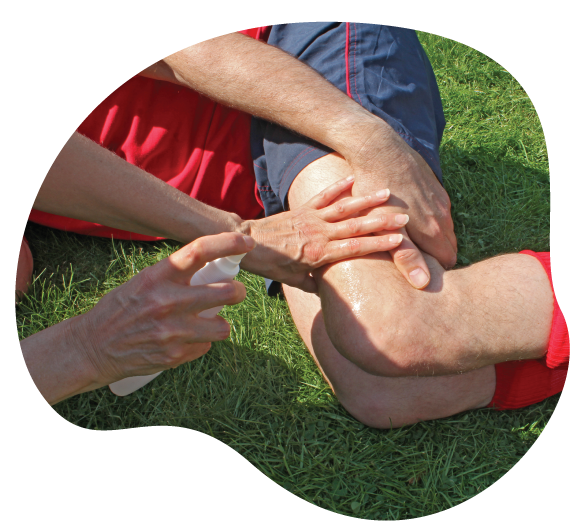 Physiotherapy, also known as physical therapy, is a specialized healthcare approach that focuses on restoring and improving the physical function and mobility of the body. Physiotherapists use a variety of evidence-based techniques, exercises, and manual therapies to promote healing, improve strength and flexibility, and reduce pain and discomfort. The benefits of physiotherapy include enhanced athletic performance, faster recovery times, and relief from chronic pain and physical limitations. When integrated into a recovery practice, physiotherapy can support the effectiveness of various recovery modalities by promoting tissue repair, reducing inflammation, and enhancing overall physical function. By incorporating physiotherapy sessions into their recovery routine, individuals can experience faster recovery times, improved athletic performance, and increased resilience to stress and injury. Through this tailored and personalized approach, physiotherapy offers a powerful means of supporting overall health, well-being, and recovery.
 Osteopathy is a holistic approach to healthcare that emphasizes the importance of the musculoskeletal system in overall well-being. Osteopathic practitioners use a combination of manual techniques, such as stretching, massage, and manipulation, to treat a wide range of health issues and improve the body’s natural ability to heal itself. The benefits of osteopathy are extensive, including pain relief, increased mobility, improved posture, and enhanced overall function of the body’s systems. By focusing on the interconnectedness of the body’s structure and function, osteopathy can effectively address the root causes of pain and dysfunction, promoting long-term health and well-being. This non-invasive and gentle approach to treatment makes osteopathy an ideal choice for individuals seeking a natural, comprehensive approach to maintaining optimal health.
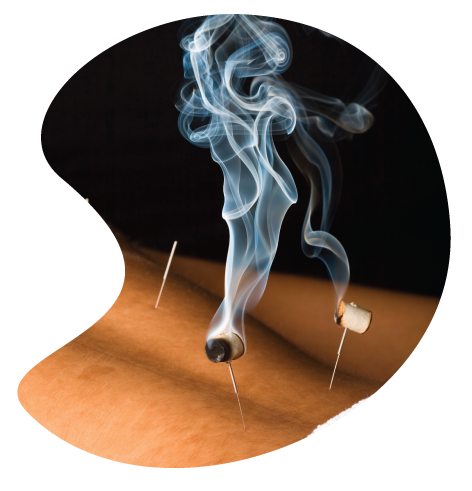 Acupuncture and Traditional Chinese Medicine (TCM) have been practiced for thousands of years, providing a time-tested and holistic approach to healthcare. Acupuncture, a key component of TCM, involves the insertion of fine needles into specific points on the body, known as acupuncture points, to stimulate the body’s natural healing processes and restore balance. TCM is based on the concept of Qi (pronounced “chee”), the vital energy that flows through the body along specific pathways called meridians. When the flow of Qi is disrupted, it can result in various health issues. Acupuncture and TCM aim to restore the balance of Qi, promoting overall wellness and addressing a wide range of health concerns. Benefits of acupuncture and TCM include pain relief, reduced stress and anxiety, improved sleep quality, enhanced digestion, and increased immune function. These ancient healing modalities offer a natural, non-invasive approach to health, enabling individuals to achieve optimal well-being by addressing the root causes of their ailments and promoting balance within the body.
 Health coaching is a collaborative and personalized approach to wellness that empowers individuals to make sustainable lifestyle changes in order to achieve their health and well-being goals. Health coaches provide guidance, support, and accountability, helping clients identify and overcome obstacles while working towards optimal health. The benefits of health coaching include improved nutrition, increased physical activity, enhanced stress management, and the development of healthy habits that promote long-term wellness. When integrated into one’s recovery practice, health coaching can be invaluable in supporting the effective use of various recovery modalities, ensuring that clients maximize the benefits of these techniques. By providing personalized recommendations and strategies, health coaches can help clients tailor their recovery practices to their unique needs and goals, fostering resilience, preventing injuries, and optimizing overall well-being. Through this holistic and individualized approach, health coaching can play a crucial role in supporting lasting change and promoting a balanced, healthy lifestyle.
 Life coaching is a powerful partnership that focuses on helping individuals identify their personal and professional goals, overcome challenges, and achieve a more fulfilling and balanced life. Life coaches provide guidance, motivation, and accountability, enabling clients to tap into their potential and make lasting changes in various areas of their lives. The benefits of life coaching include increased self-awareness, enhanced decision-making skills, improved work-life balance, and the development of effective strategies for personal growth and success. When incorporated into one’s recovery practice, life coaching can provide valuable support by helping clients address the mental and emotional aspects of their well-being, which are crucial for a comprehensive approach to recovery. By assisting clients in identifying limiting beliefs and patterns that may hinder their progress, life coaches can help them cultivate a more positive mindset and implement healthy coping mechanisms. This, in turn, can enhance the effectiveness of various recovery modalities and contribute to a more resilient, balanced, and fulfilling life. Through the personalized and empowering nature of life coaching, individuals are better equipped to navigate life’s challenges and embrace a holistic approach to health and well-being.
 Executive coaching is a specialized form of coaching tailored to address the unique challenges faced by leaders and professionals in high-stress environments. Executive coaches provide support, guidance, and feedback, empowering clients to develop and refine their leadership skills, improve decision-making, and enhance overall performance. The benefits of executive coaching include increased self-awareness, better communication skills, stronger emotional intelligence, and more effective time management. When integrated into one’s recovery practice, executive coaching can help support a balanced and healthy lifestyle by providing tools and strategies to manage stress, prioritize self-care, and maintain focus on personal well-being amidst demanding professional responsibilities. By addressing both the professional and personal aspects of a client’s life, executive coaching can contribute to a more resilient and sustainable approach to recovery. This holistic approach ensures that individuals are better equipped to perform at their best while maintaining a strong foundation of physical and mental well-being. In turn, this enhances their ability to lead, inspire, and make a meaningful impact in their professional endeavors.
