Struggling to Scale Your Practice, Studio or Small Business? This 4-Part Model Changes Everything.

Struggling to Scale Your Practice, Studio or Small Business? This 4-Part Model Changes Everything.

Struggling to Scale Your Practice, Studio or Small Business? This 4-Part Model Changes Everything.

Infographic of the Adizes Model for how to scale clinic, practice, studio, or small business

Grant Ian Gamble is a best-selling mindful leadership author and speaker. He has over 40 years of experience in leading teams to create innovative customer experiences, building engaged workforces, and developing leaders who prioritize people, workplace wellbeing, and mindfulness in their approach.

As an allied health, wellness, fitness, or small business owner, whether you’re running a clinic, consultancy, or studio, you are the heartbeat of your operation. You are the visionary, the executor, the troubleshooter, and often the glue holding it all together. It is easy to wear every hat, but few of us can do so with consistent clarity, balance, and grace.

That is why I always teach my clients about the Adizes PAEI model. Developed in the 1970s by Dr. Ichak Adizes, this framework breaks down effective leadership into four interdependent roles: Producer, Administrator, Entrepreneur, and Integrator.

Adizes’ 4 Basic Roles

THE PRODUCER (P)

Results focused and action oriented. Responsible for getting the work done and achieving outcomes, such as meeting billable targets or delivering client care.

THE ADMINISTRATOR (A)

The structure builder. Designs the systems, processes, and schedules that keep things efficient, compliant, and running smoothly.

THE ENTREPRENEUR (E)

The visionary. Spots new opportunities, innovates services, and keeps your offerings fresh and forward focused.

THE INTEGRATOR (I)

The relationship nurturer. Fosters team culture, collaboration, and alignment with shared values and purpose.

Source: adizes.com

No single individual, no matter how experienced or capable, can consistently embody all four roles. That is why purposefully balancing them is essential to building a resilient and thriving operation.

Why the PAEI Model Matters for Allied Health, Wellness, Fitness, and Small Business Owners

Feature image for Why the PAEI Model Matters for Allied Health, Wellness, Fitness, and Small Business Owners

Clarify Your Role

Are you defaulting to the Producer role because it feels safe or familiar? Are systems falling behind due to a gap in the Administrator role? Understanding your natural leadership tendencies helps you identify where to lean in and where to delegate.

Build a Balanced Team

If you are high in Entrepreneurial energy, consider surrounding yourself with those who bring order and structure. If your clinic’s culture feels disconnected, you may need to elevate the Integrator role to support trust, cohesion, and shared goals.

Support Sustainable Growth

As your business grows, whether through expanding services, team members, or locations, your leadership approach needs to evolve. A balanced leadership model helps prevent burnout, reduce friction, and avoid blind spots in your operations or team dynamics.

How Each Role Supports the Stages of Business Growth

Infographic of the Adizes Model for how to scale clinic, practice, studio, or small business

Every business moves through a natural lifecycle: from startup to growth, then maturity, and ideally into renewal. At each stage, different leadership roles become more critical. Overlooking this alignment can create unnecessary friction, burnout, or stagnation.

Understanding how the PAEI model maps to your current phase of business gives you clarity on where to focus your time, energy, and resources.

Startup Phase: Vision and Execution

Key Roles: Entrepreneur and Producer
In the early stages, you are likely wearing multiple hats. Innovation and quick execution are essential. You are building something from nothing, testing ideas, serving your first clients, and finding product-market fit.

Common Pitfall: Too much execution without enough creative direction leads to reactive, short-term thinking. Too much vision without follow-through results in spinning wheels.

Focus: Stay creative, but prioritize delivery. Track what is working. Begin documenting as you go.

Growth Phase: Structure and Scale

Key Roles: Administrator and Producer
As your business gains traction, it requires systems, processes, and delegation. This is where burnout can occur if the Producer role remains overloaded and the Administrator role is underdeveloped.

Common Pitfall: Growing businesses without structure often become chaotic or inconsistent, leading to client dissatisfaction or team frustration.

Focus: Begin standardizing operations and service delivery. Document workflows. Let go of control where possible.

Maturity Phase: Culture and Stability

Key Roles: Integrator and Administrator
Once operations are stable and predictable, the strength of your team culture and internal communication becomes the differentiator. The Integrator ensures cohesion, accountability, and alignment.

Common Pitfall: A mature business can become stagnant if innovation is deprioritized.

Focus: Foster leadership within your team. Prioritize regular team communication. Reconnect with purpose and shared vision.

Renewal Phase: Reinvention and Expansion

Key Roles: Entrepreneur and Integrator
To evolve, your business must innovate again. This might include launching new services, expanding to new locations, or shifting your business model. The Entrepreneur brings new ideas, while the Integrator helps the team stay united through change.

Common Pitfall: Change fatigue or resistance from a team that has grown too comfortable.

Focus: Re-engage your team in the vision. Celebrate what is working, but do not be afraid to let go of what is no longer aligned.

Why This Lifecycle Lens Matters

As an allied health, wellness, or fitness business owner, you are not just building a business. You are creating meaningful impact. Whether you are hands-on with clients, leading classes, or managing a multidisciplinary team, your leadership role will naturally shift over time.

By understanding where your business sits in its lifecycle, and which PAEI roles are most important right now, you can lead with more clarity, confidence, and connection—without carrying it all on your own.
Actionable Steps to Get Started

To help you put this model into practice, I created a simple worksheet that walks you through identifying your leadership style, mapping your team dynamics, and choosing actionable next steps.

In this worksheet, you will find:

  • A quick self-assessment to reveal your natural PAEI profile
  • Reflection prompts to evaluate your team or close collaborators
  • Clear ideas on where to delegate, hire, or shift your focus
  • A space to commit to one practical change this week

Want to better understand your strengths and leadership gaps? Download the “Simple Framework Smart Leaders Use to Stop Wearing Every Hat” Worksheet PDF

Maintain Your Leadership Balance Over Time

Maintain Your Leadership Balance Over Time

To continue applying the model, check in with yourself and your team regularly. Once per quarter is a good rhythm.

Ask yourself:

  • Is delivery being compromised? (Producer)

  • Are operations falling behind? (Administrator)

  • Is creativity or growth stalling? (Entrepreneur)

  • Is team morale or culture slipping? (Integrator)

Also, reflect on your business stage and adjust your leadership focus accordingly. During periods of expansion, prioritize systems and structure. During times of reinvention, make space for innovation and culture-building.

In Closing

The Adizes PAEI model is more than just a leadership tool. It is a lens to see yourself and your business more clearly. It gives you language to understand where you thrive, where you struggle, and what kind of support will truly move the needle.

Whether you are growing a multidisciplinary wellness business, a solo practice, or a boutique studio, this framework can help you build a more sustainable and human-centered business.

If you would like support mapping your leadership style or building a team that complements your strengths, feel free to reach out. I would be glad to help.

#1 Secret to Your Wellness Business Success in 2025

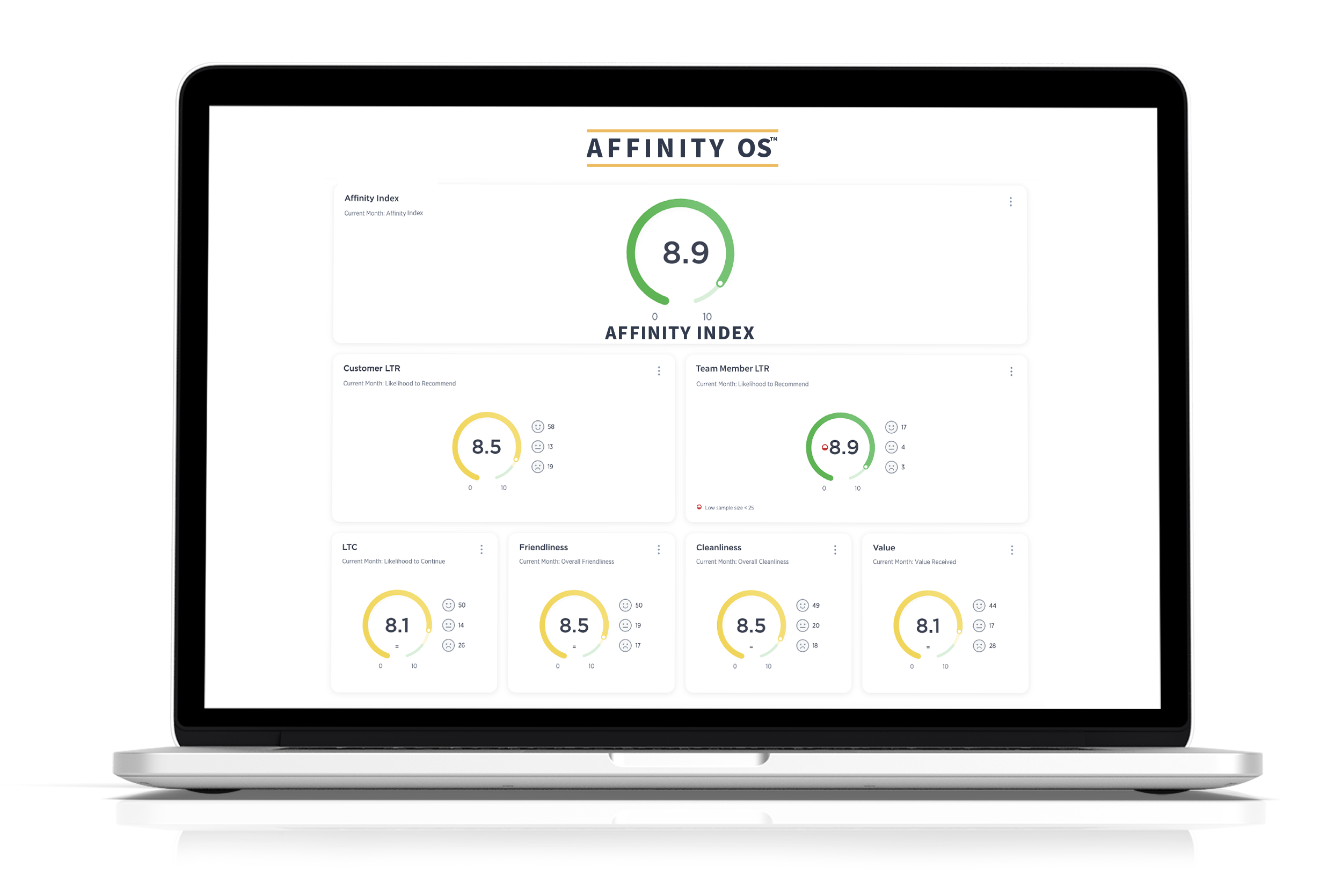
Interested in learning more about how to transform your organization’s approach to team member engagement and customer experience? Reach out to our team at AFFINITY OS, specialists in AI-driven customer experience and team member engagement optimization.

AFFINITY Podcast

Affinity Podcast Feature Image

Put PEOPLE FIRST, ALWAYS and watch your business flourish.

Dive deep into the latest trends in customer experience and team engagement, mindful leadership and management. Discover practical tools and strategies that you can use to build a people-centric culture, the foundation for sustainable long-term business growth and success.

Led by mindful leadership expert, Grant Ian Gamble, a best-selling author and true visionary with over 30 years of experience in leading teams to create innovative customer experiences, building engaged, inspired and fulfilled workforces, and developing leaders who prioritize genuine connection in their approach.

The guiding principle behind all of Grant’s work is PEOPLE FIRST, ALWAYS.

More Articles:

Are You Truly Leading or Just Managing?  You Need Real-Time Feedback

Are You Truly Leading or Just Managing? You Need Real-Time Feedback

Great leadership is a journey. Yet, many top-tier leaders fall into the trap of believing they have arrived. After years of experience and success, it is easy to assume that your leadership is foolproof.

But true leadership is not about titles or tenure—it is about service, adaptability, and a relentless commitment to growth.

The best leaders do not operate in an echo chamber. They do not rely on assumptions or past successes to guide their decisions. Instead, they actively seek feedback—real-time, honest, unfiltered feedback—from both their Team Members and Customers. They understand that leadership is not about them—it is about the people they serve.

read more
Is Elon Musk Wrong?

Is Elon Musk Wrong?

Elon Musk famously said, “Empathy is not an asset”.
Musk learned this from the video game Polytopia, which he played with his brother, coworkers, and partners. He made a list of life lessons from the game, which he calls Polytopia Life Lessons.
Musk’s indifference to empathy is not isolated when you look at notoriously ruthless business leaders such as Jeff Bezos, Bill Gates, and Steve Jobs. They have all had difficulties with interpersonal dynamics and yet been incredibly successful by the mainstream’s definition of success.

read more
Embrace Workplace Wellbeing: Navigate Stress, Anxiety, Overwhelm and Burnout with AFFINITY OS’s™ NEW Psychosocial Risk (PSR) Management Tool

Embrace Workplace Wellbeing: Navigate Stress, Anxiety, Overwhelm and Burnout with AFFINITY OS’s™ NEW Psychosocial Risk (PSR) Management Tool

A state of stress, anxiety, overwhelm and burnout feels almost endemic these days. I hear it from friends, family members, work mates and peers. The pressures seem to come from all directions—work, media, global events, and personal life demands. Everywhere you turn, there’s more information, more conflict, more polarization, more uncertainty and it feels as if it’s escalating, relentlessly. This growing sense of overwhelm isn’t just affecting individuals; it’s affecting entire organizations, from the mental wellbeing of team members and tenure to overall workplace productivity.

read more
Fill out the form below and receive a PDF download of "6 Key Strategies to Engage Untapped Fitness and Wellness Market Segments"

Let's Connect!

CUSTOMER EXPERIENCE, TEAM ENGAGEMENT & WORKPLACE WELL-BEING: AFFINITY OS™ | WELLNESS INTEGRATION | MINDFUL LEADERSHIP: "THE AFFINITY PRINCIPLE"

0475 866 592

Grant Ian Gamble Business Consulting | Author | Speaker | Business Consultant | Coach |The Affinity Principle | Best Seller Logo

The Affinity Principle™ by Grant Gamble presents a formula for business success through a people-centric, mindful leadership approach.

PEOPLE FIRST, ALWAYS.